
Happy Camper Therapy · Blog
Teenagers are losing social and emotional skills
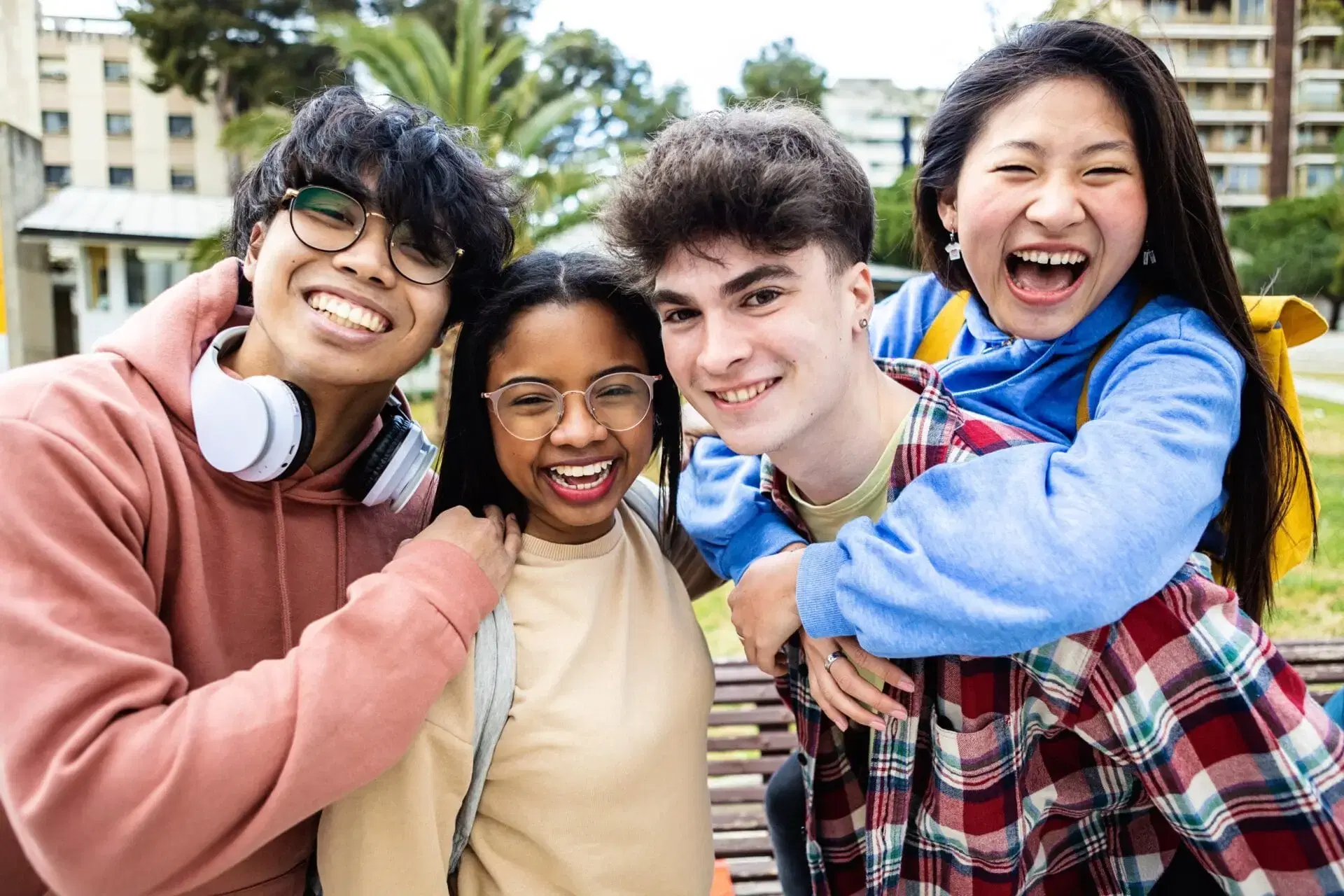
Teenagers Are Losing Social and Emotional Skills: Understanding the Growing Challenge
Today’s teenagers are growing up in a world that is more digitally connected than ever before. While technology offers many benefits, it has also changed the way teens communicate, build relationships, and manage emotions. As a result, many parents, teachers, and mental health professionals are noticing that teenagers are struggling with important social and emotional skills.
Skills such as face-to-face communication, emotional regulation, empathy, confidence, and healthy relationship building are becoming more difficult for many teens. Although every generation faces unique challenges, the increasing dependence on screens, social media, and digital communication has created new emotional and social pressures for teenagers.
What Are Social and Emotional Skills?
Social and emotional skills help people understand emotions, communicate effectively, build healthy relationships, and respond to challenges in healthy ways. These skills are essential for emotional well-being, academic success, and long-term mental health.
Examples of important social and emotional skills include:
- Communication and conversation skills
- Emotional awareness and regulation
- Empathy and understanding others
- Conflict resolution
- Self-confidence and resilience
- Healthy relationship building
- Problem-solving and decision-making
Why Teenagers Are Struggling With Social and Emotional Skills
1. Increased Screen Time and Digital Communication
Many teenagers now spend large amounts of time communicating through phones, social media, texting, and online platforms. While digital communication can help teens stay connected, it often reduces opportunities for face-to-face interaction.
As a result, some teens struggle with reading body language, maintaining conversations, expressing emotions in person, and developing deeper social connections.
2. Social Media Creates Emotional Pressure
Social media often encourages comparison, unrealistic expectations, and constant pressure to appear perfect. Teenagers may begin measuring their self-worth through likes, followers, or online validation.
Consequently, many teens experience increased anxiety, insecurity, loneliness, and low self-esteem.
3. Teens Have Fewer In-Person Social Experiences
Face-to-face experiences help teenagers develop confidence, empathy, and communication skills. However, many teens now spend less time participating in outdoor activities, community involvement, or direct social interaction.
Because of this, some teenagers feel uncomfortable navigating real-life conversations, friendships, and emotional situations.
4. Emotional Coping Skills Are Not Always Being Developed
Teenagers need opportunities to experience challenges, disappointment, and emotional discomfort in healthy ways. However, constant distractions and digital entertainment can sometimes prevent teens from learning important coping skills.
As a result, some teenagers struggle with emotional regulation, frustration tolerance, and managing stress effectively.
5. The Lasting Effects of Isolation and Stress
Recent years have also increased emotional strain for many teenagers. Isolation, academic pressure, social uncertainty, and reduced in-person interaction have affected teen confidence and emotional development.
Additionally, many teens report feeling more disconnected, emotionally overwhelmed, or socially anxious than previous generations.
Signs a Teen May Be Struggling Socially or Emotionally
Every teenager develops differently, but some signs may suggest a teen is having difficulty with social or emotional skills.
- Avoiding face-to-face interaction
- Difficulty communicating emotions
- Increased social anxiety
- Low self-confidence
- Emotional outbursts or withdrawal
- Difficulty maintaining friendships
- Excessive dependence on social media
- Struggles with empathy or conflict resolution
How Parents and Caregivers Can Help Teenagers
Fortunately, social and emotional skills can be strengthened over time with support, practice, and healthy experiences.
Encourage More Face-to-Face Communication
Creating opportunities for real conversations helps teenagers build communication confidence and emotional connection.
Limit Excessive Screen Time
Healthy boundaries around phones and social media can help teens reconnect with real-world experiences and relationships.
Support Emotional Expression
Teenagers need safe spaces where they can talk openly about emotions without fear of judgment.
Model Healthy Social and Emotional Skills
Parents and caregivers play an important role by demonstrating empathy, emotional regulation, and healthy communication.
Encourage Activities Outside of Technology
Sports, hobbies, volunteering, outdoor activities, and group experiences help teens strengthen social confidence and emotional resilience.
How Therapy Can Support Teen Emotional Growth
Therapy can help teenagers develop emotional awareness, communication skills, confidence, and healthier coping strategies. In addition, therapy provides a supportive environment where teens can safely explore challenges, relationships, and emotions.
At Happy Camper Therapy, we believe teenagers deserve compassionate support that helps them build confidence, emotional resilience, and stronger connections with themselves and others.
Final Thoughts
Teenagers today face unique social and emotional challenges in a highly digital world. While technology can be helpful, too much dependence on screens and online interaction may affect emotional growth and relationship skills.
With support, guidance, and healthy real-world experiences, teens can strengthen the social and emotional skills they need to thrive emotionally, socially, and mentally.

Happy Camper Therapy
Child & Family Therapy Practice
Happy Camper Therapy offers play therapy, EMDR, nature-based care, and family counseling for children, teens, and adults in The Woodlands and Houston, TX.
Schedule a Consultation