
Happy Camper Therapy · Blog
How to Choose a Child Therapist in The Woodlands: 7 Questions to Ask First

Finding the right therapist for your child can feel overwhelming, especially when you are unsure where to start. If you have been searching for the “best child therapist near me,” you may have noticed that there are many providers, different therapy approaches, and several options for supporting children’s emotional and behavioral needs.
Every child is different. Some children may need help managing anxiety, expressing their emotions, or adjusting to a major life change. Others may struggle with anger, grief, friendship difficulties, or challenging behaviors at home or school. Finding a therapist who understands your child’s developmental stage, personality, and individual needs can make an important difference in the therapy experience.
If you are looking for a child therapist in The Woodlands, Texas, knowing what questions to ask can help you make a more informed decision. Here are seven important questions to consider before choosing a therapist for your child.
Why Choosing the Right Child Therapist Matters
Children do not always have the words to explain what they are feeling. Younger children, in particular, may communicate their emotions through play, behavior, drawing, or interactions with others. Older children and teenagers may express their struggles differently, sometimes withdrawing from family members or having difficulty discussing what is bothering them.
A qualified child therapist can help families better understand these behaviors and determine what kind of support may be appropriate. According to the National Institute of Mental Health, a child’s evaluation may include conversations with parents, information about the child’s development and relationships, and observations of the child’s behavior. Treatment should be tailored to the child’s needs rather than following a one-size-fits-all approach.
7 Questions to Ask Before Choosing a Child Therapist
1. Do You Have Experience Working With Children My Child’s Age?
One of the first things to consider is whether the therapist has training and experience working with your child’s age group. A preschooler, an elementary school student, and a teenager have different developmental needs and ways of expressing emotions.
For example, a younger child who struggles with separation anxiety may benefit from a developmentally appropriate, play-based approach. A teenager experiencing social anxiety may benefit from a different approach that encourages emotional awareness, communication, and practical coping skills.
When contacting a potential therapist, consider asking:
- What ages do you typically work with?
- Do you have experience with concerns similar to my child’s?
- How do you adapt therapy to a child’s developmental stage?
Choosing someone who understands your child’s developmental needs can help ensure that therapy feels appropriate, supportive, and meaningful.
2. What Types of Therapy Do You Offer?
Child therapists use different approaches depending on their training, the child’s needs, and the concerns being addressed. Understanding these approaches can help you decide whether a provider may be a good fit for your family.
Some children benefit from play therapy, which uses play as a developmentally appropriate way for children to express experiences, explore feelings, and develop coping skills. Other children may benefit from cognitive behavioral therapy (CBT), family therapy, or approaches that help parents support emotional and behavioral changes at home.
Before scheduling an appointment, consider asking:
- What therapeutic approaches do you use with children?
- How do you decide which approach is appropriate?
- How will I know whether the treatment is helping my child?
A good therapist should be able to explain their approach in language you understand and discuss why it may be appropriate for your child’s situation.
3. How Will Parents or Caregivers Be Involved in Therapy?
Parents and caregivers play an important role in a child’s emotional development. While therapy may give children a safe space to explore their feelings, parents often need guidance on how to reinforce progress and support their child outside of sessions.
Depending on the child’s age and treatment goals, a therapist may schedule parent consultations, provide strategies for responding to difficult behaviors, or help caregivers understand what their child may be communicating through play or behavior.
You may want to ask:
- Will I participate in some sessions?
- How often will we discuss my child’s progress?
- What can I do at home to support the therapy process?
Parent involvement should be appropriate to the child’s needs and the goals of treatment. It is also important to understand how the therapist balances parent communication with the child’s privacy and confidentiality.
4. How Will You Help My Child Feel Comfortable and Safe?
Building trust is an important part of therapy. Children may feel nervous about meeting someone new, talking about difficult experiences, or spending time away from their parents. Some children may take several sessions to feel comfortable enough to participate.
A child therapist should create an environment where children can express themselves without feeling pressured, shamed, or judged. For younger children, this may involve toys, art materials, pretend play, storytelling, or other activities that encourage expression at their developmental level.
Consider asking:
- How do you help children feel comfortable during their first sessions?
- What happens if my child is hesitant to participate?
- How do you respond when a child becomes upset or frustrated?
Remember that children do not always feel comfortable immediately. Give your child time to build trust, while also paying attention to whether the therapist responds to them with patience, respect, and care.
5. How Will We Measure Progress?
Parents often begin therapy hoping to see changes in their child’s emotions, behavior, relationships, or ability to manage everyday challenges. However, progress may look different for each child. Some children may begin communicating their feelings more clearly, while others may gradually develop healthier coping strategies or experience fewer difficulties at home or school.
A therapist should work with the family to establish appropriate treatment goals and explain how progress will be reviewed. These goals may change as the child’s needs become clearer.
Useful questions include:
- What goals would we work toward?
- How will we evaluate my child’s progress?
- How often will we review the treatment plan?
- What happens if my child is not making the progress we expected?
Therapy is not always a quick process. Having clear goals and regular opportunities to discuss progress can help parents understand what is working and whether adjustments may be needed.
6. What Are the Costs, Scheduling Options, and Practical Details?
Finding a therapist who is a good clinical fit is important, but practical considerations matter too. Regular attendance may be difficult if appointments conflict with school, work, transportation, or family responsibilities. Understanding the financial and scheduling details beforehand can help you plan more confidently.
Before committing to services, ask:
- What is the cost per session?
- Do you accept my insurance, or do you offer other payment options?
- Are appointments available after school?
- Do you offer in-person sessions, telehealth, or other service options?
- What is your cancellation policy?
If you are searching for a child therapist in The Woodlands, consider how far you will need to travel and whether the appointment schedule is realistic for your family. A manageable routine can make it easier to attend sessions consistently.
7. Do You Feel Like the Right Fit for My Child and Family?
Credentials and experience are important, but the relationship between the therapist and your child matters too. A therapist may have excellent qualifications and still not be the best match for every family. Children have different personalities, communication styles, and comfort levels.
During an initial consultation or early sessions, pay attention to how the therapist communicates with you and your child. Do they listen to your concerns? Do they explain things clearly? Do they respect your family’s values and circumstances? Does your child seem increasingly comfortable over time?
You can ask yourself:
- Does the therapist listen without making assumptions about my child?
- Do I feel comfortable asking questions?
- Does the therapist respect our family’s background and values?
- Can I see us working together toward my child’s goals?
You do not have to continue with the first therapist you meet if the fit does not feel right. Finding the right support may take time, and it is reasonable to ask questions or explore other options.
When Should Parents Consider Child Therapy?
Parents sometimes wonder whether their child’s behavior is simply a normal part of growing up or a sign that additional support may be helpful. Every child experiences difficult emotions, and occasional frustration, sadness, or worry does not automatically mean a child needs therapy.
However, consider speaking with a pediatrician or child mental health professional if emotional or behavioral difficulties persist, become more intense, or begin interfering with everyday life.
Some signs that a child may benefit from additional support include:
- Frequent emotional outbursts or difficulty calming down
- Persistent anxiety, worry, or fear
- Withdrawal from friends or family
- Ongoing difficulties at school or with friendships
- Major changes in mood, sleep, or behavior
- Difficulty adjusting to divorce, grief, moving, or other significant changes
- Trouble expressing feelings or coping with frustration
- Behaviors that cause concern for the child’s safety or well-being
These signs do not necessarily indicate a specific diagnosis. A professional can help families better understand what may be contributing to the child’s difficulties and whether therapy or another form of support is appropriate.
How Play Therapy Can Help Children Express Their Feelings
For many younger children, talking directly about emotions can be difficult. Play therapy offers a developmentally appropriate way for children to explore experiences and communicate through play with a trained therapist.
During play therapy, children may use dolls, pretend play, art, sand, storytelling, or other materials. Through these activities, a therapist can help a child explore feelings, practice coping skills, and work toward treatment goals in a way that matches the child’s developmental needs.
Play therapy is not simply unstructured playtime. A trained therapist uses clinical knowledge and an intentional therapeutic relationship to support the child’s needs. The approach may be helpful for some children experiencing emotional, behavioral, social, or adjustment difficulties, depending on their circumstances.
Parents can also be part of the process. When appropriate, therapists may work with caregivers to strengthen communication, understand patterns at home, and support the child’s progress beyond the therapy room.
Finding Child Therapy in The Woodlands
If you are searching online for the “best child therapist near me,” remember that the best choice is not necessarily the provider with the most reviews or the closest office. It is the qualified professional whose experience, therapeutic approach, availability, and relationship with your child best match your family’s needs.
Happy Camper Therapy offers child- and family-focused services in the greater North Houston area, including the Conroe and The Woodlands area. Its approach includes play-based and experiential options designed to support children in expressing themselves and working through challenges in a developmentally appropriate setting.
If you are considering therapy for your child, reaching out to ask questions about services, clinician experience, availability, and parent involvement can be a helpful first step. You deserve to understand your options and feel comfortable with the care your family chooses.
Final Thoughts
Choosing a child therapist is an important decision, and it is normal to have questions before getting started. By asking about experience, therapeutic approaches, parent involvement, emotional safety, progress, practical details, and overall fit, you can make a more informed decision for your child.
Every child deserves to feel understood and supported. With the right guidance and a collaborative approach between caregivers and a qualified therapist, children can develop skills that help them navigate emotions, relationships, and life’s challenges.
If you are looking for child therapy in The Woodlands, taking the time to find a therapist who understands your child’s individual needs can be a meaningful first step toward supporting their emotional well-being.
References
Centers for Disease Control and Prevention. (n.d.). Treating children’s mental health with therapy. https://www.cdc.gov/children-mental-health/treatment/
American Academy of Pediatrics. (n.d.). Finding mental health care for your child. HealthyChildren.org. https://www.healthychildren.org/English/healthy-living/emotional-wellness/Pages/finding-mental-health-care-for-your-child.aspx
National Institute of Mental Health. (n.d.-a). Children and mental health: Is this just a stage? https://www.nimh.nih.gov/health/publications/children-and-mental-health
National Institute of Mental Health. (n.d.-b). Psychotherapies. https://www.nimh.nih.gov/health/topics/psychotherapies
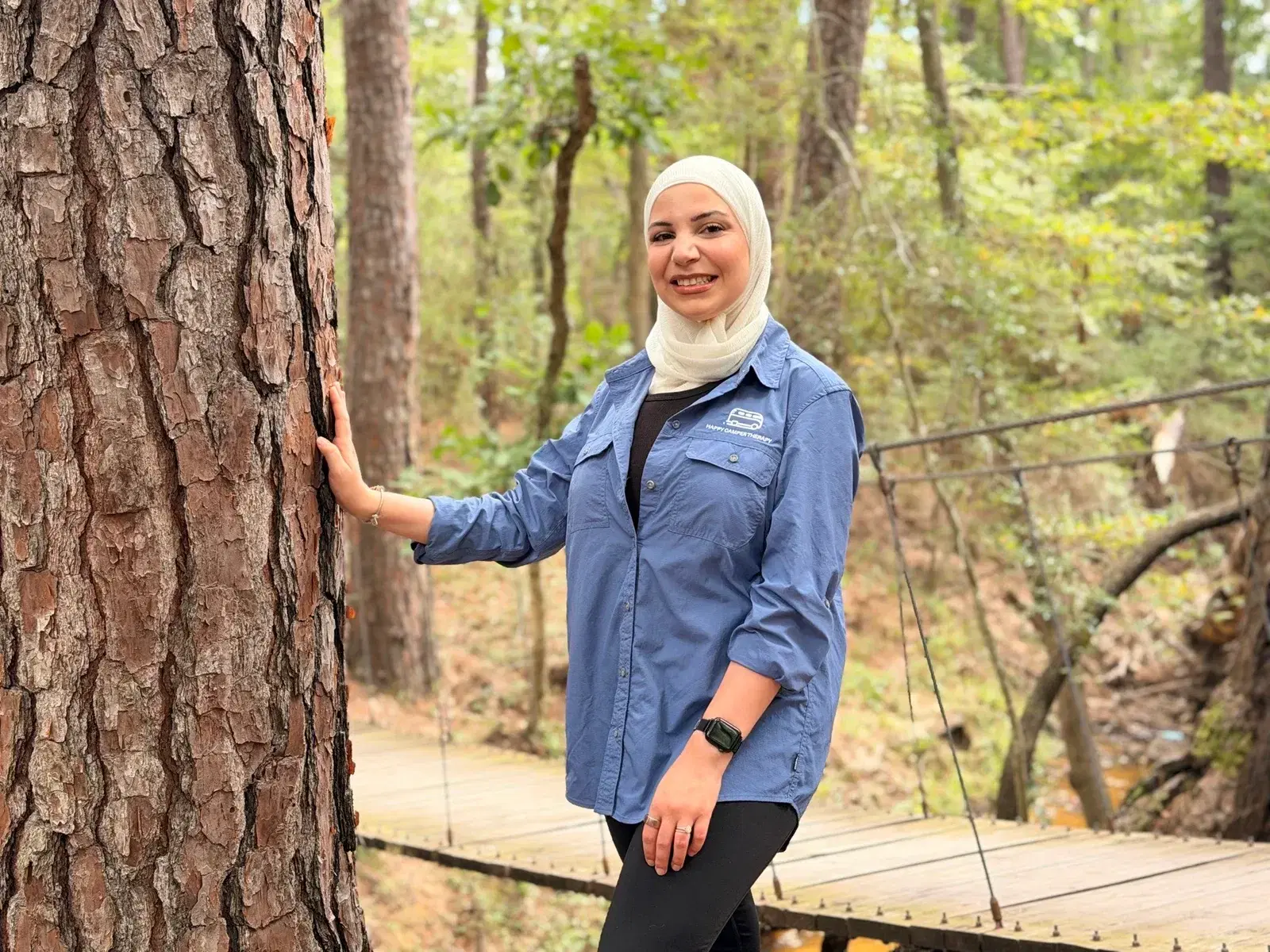
Ranim Nakawa
Counseling Intern
Ranim is a bilingual counseling intern who offers compassionate support to clients and is gaining practical experience through her counseling practicum.
Contact Ranim