
Happy Camper Therapy · Blog
The EMDR Preparation Phase: What Happens Before Reprocessing Begins
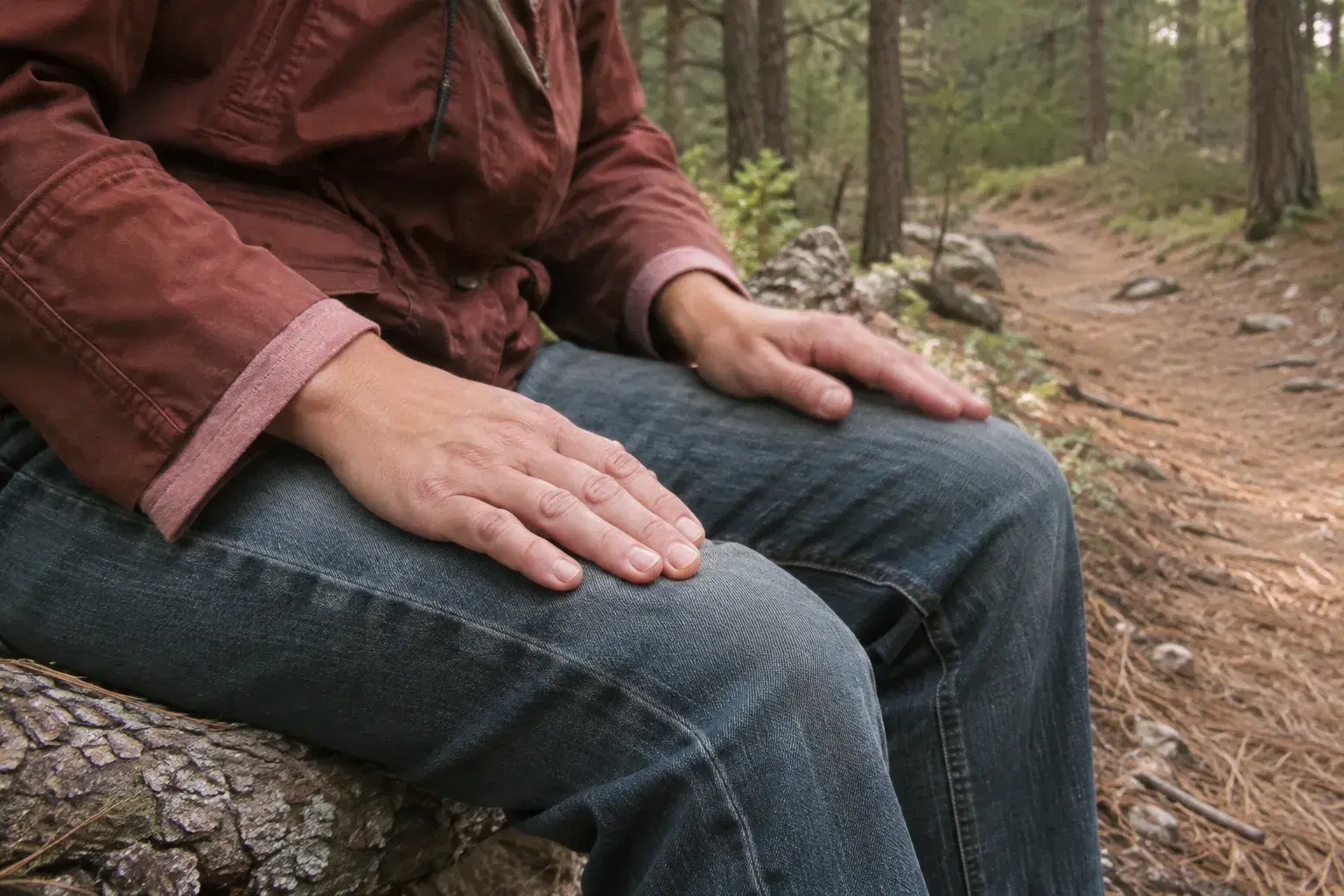
“When do we actually start on the memory?” We hear this question a lot from adults calling about EMDR, often from people who have done months of talk therapy and are ready for something to shift. The answer is: not first. Before any reprocessing, there is the EMDR preparation phase, and its whole job is to get your nervous system ready for the work ahead.
If you are still deciding whether EMDR fits you, our page on trauma and EMDR therapy walks through how we use it with adults. You can also start with a free 15-minute call.
Key Takeaways
- Preparation is phase two of EMDR’s eight phases, and it comes before any memory is reprocessed.
- It builds trust, explains the process, and gives you practiced ways to settle when feelings run high.
- How long it takes depends on the person, not on a fixed schedule.
- Our EMDR intensives follow the same eight phases, preparation included.
Where the EMDR preparation phase sits in the eight phases
EMDR follows a structured eight-phase protocol. Phase one is history-taking and planning. Phase two is preparation. The phases that reprocess a memory (desensitization, installation, body scan) come after it, followed by closure and reevaluation. Francine Shapiro, who developed EMDR, describes preparation as the phase that readies a client for processing, using education, metaphors and techniques that build stability and a sense of personal control (Shapiro, The Permanente Journal, 2014).
The order matters. During EMDR, you briefly hold a hard memory in mind while part of your attention follows something in the present, like eye movements, tones, or alternating taps. To do that well, you need two things in place first: a relationship you trust, and a reliable way back to steady ground.
What actually happens in preparation

We think of it as packing before a long trail. Preparation usually includes:
- Knowing the route. Your therapist explains what reprocessing feels like and makes clear that you stay in charge. You can pause any time, and the two of you agree on a stop signal together.
- Trying the tools first. You practice the eye movements or taps on something neutral or pleasant, so your first try isn’t in the middle of a hard memory.
- Building resources. Many people develop a calm or safe place, a mental image they can return to, and a “container” exercise for setting distressing material aside between sessions.
- Checking capacity. Your therapist pays attention to how you move between stirred up and settled. Therapists call this your window of tolerance, and it tells us more than any checklist could.
Why preparation comes first, and how long it lasts
Preparation isn’t a waiting room, and your therapist isn’t doing it because they doubt you. It’s there so reprocessing can go deep without leaving you flooded on the drive home.
How long it takes varies. For some adults it is brief. For someone with long-standing, layered trauma, it can take longer. Research has also challenged the old assumption that everyone with complex trauma needs months of stabilization first. A 2016 review of complex PTSD guidelines found no rigorous research showing that a long stabilization-first stage is needed for good outcomes, and warned that overly cautious rules can delay care (de Jongh et al., Depression and Anxiety, 2016). That is a case against making people wait. It is not a case against preparing them. We follow the person in front of us rather than a fixed timeline.
Preparation in an EMDR intensive
The World Health Organization’s 2013 trauma guidance names EMDR as a treatment to consider for PTSD (WHO, 2013), and the protocol does not change when the schedule does. Our EMDR intensives in The Woodlands run all eight phases in concentrated blocks at The Woodlands Basecamp, for adults and for children aged 8 and over, often when weekly sessions are not enough or distance is a barrier. Preparation still comes first. It just happens on the same weekend instead of across several weeks.
For clients who choose nature-assisted EMDR, the forest becomes part of that grounding. Intensives aren’t the right fit for everyone, and anyone who needs a higher level of care than outpatient therapy should start there. Our specialized experiences FAQ covers more of the practical questions.
Is EMDR the right next step for you?
Healing isn’t one-size-fits-all, and neither is the pace of preparation. If you are unsure whether EMDR is right for you, weekly or as an intensive, reach out. We are happy to help you think it through. Book a free 15-minute discovery call.
Written by Elizabeth Pennington, LPC-S, EMDR Certified.
This article is for educational purposes only. It is not therapy, medical advice, a diagnosis, or a treatment recommendation, and reading it does not create a therapeutic relationship. If you are struggling, please reach out to a licensed professional. If you are in crisis or immediate danger, call or text 988, or call 911.
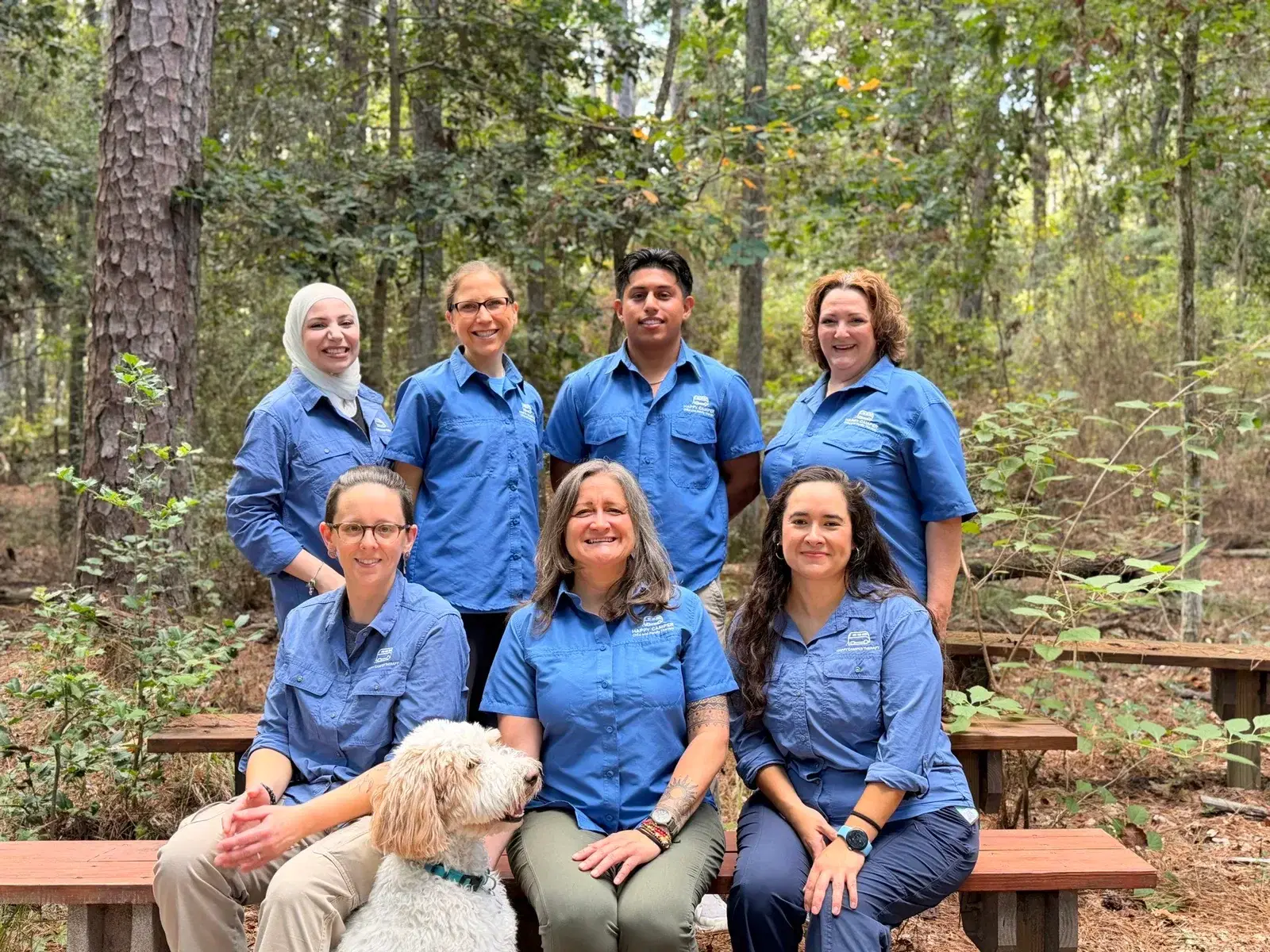
Happy Camper Therapy
Child & Family Therapy Practice
Happy Camper Therapy offers play therapy, EMDR, nature-assisted care, and family counseling for children, teens, and adults in The Woodlands and Houston, TX.
Schedule a Consultation